
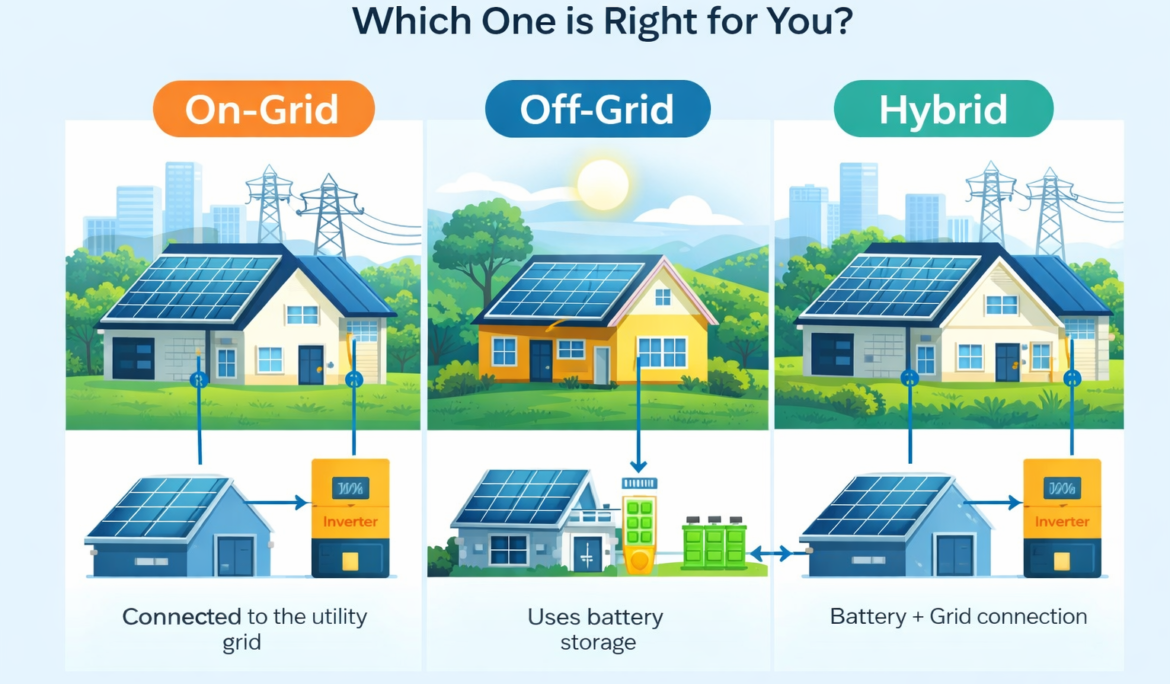
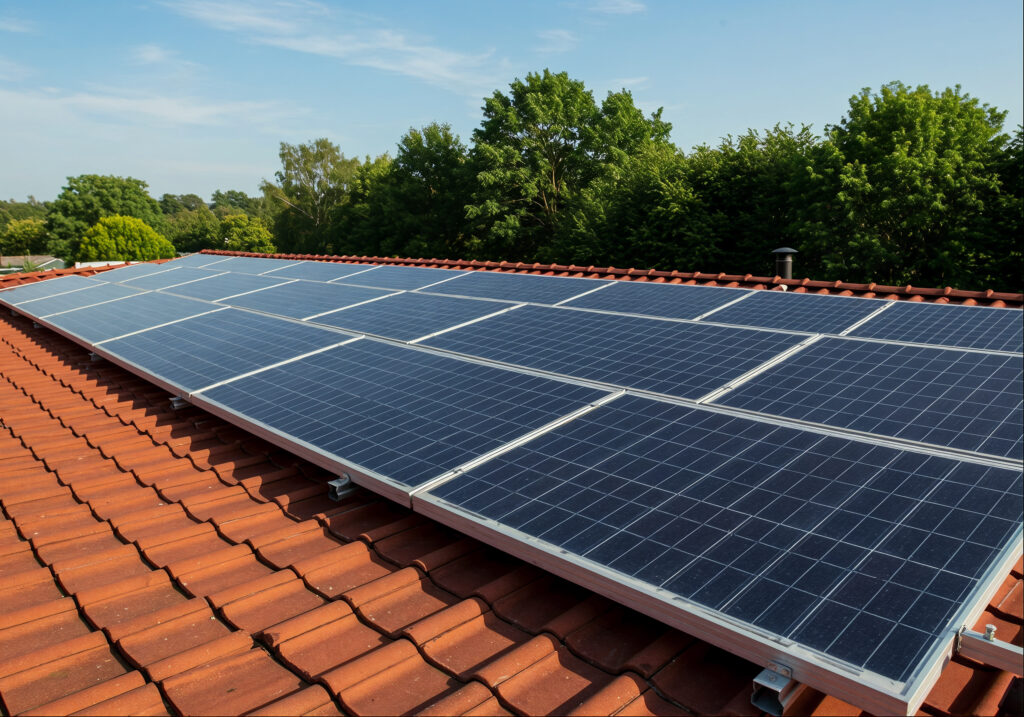
With the growing popularity of solar energy in India, many homeowners and business owners want to install solar panels—but often get confused between On-Grid, Off-Grid, and Hybrid solar systems.
Choosing the right type of solar system is crucial to maximize savings and ensure uninterrupted power. In this blog, we break down each system in simple terms to help you make the right decision.
What Is an On-Grid Solar System?
An On-Grid Solar System is connected to the government electricity grid (DISCOM).
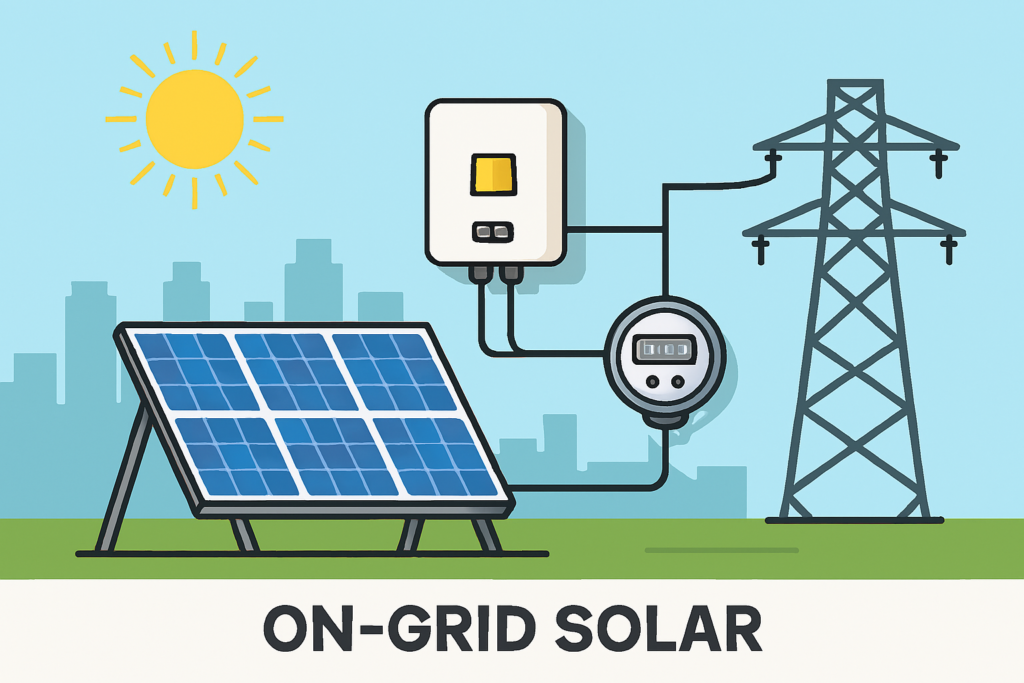
How It Works:
- Solar panels generate electricity during the day
- Power is used directly by your home or business
- Extra electricity is exported to the grid via net metering
- You receive credits that reduce your electricity bill
Best For:
- Areas with reliable electricity supply
- Homes aiming for zero or very low electricity bills
- Customers who want government subsidy benefits
Key Advantages:
- Lower installation cost
- Eligible for PM Surya Ghar Muft Bijli Yojana subsidy
- Minimal maintenance
What Is an Off-Grid Solar System?
An Off-Grid Solar System operates independently and is not connected to the electricity grid.
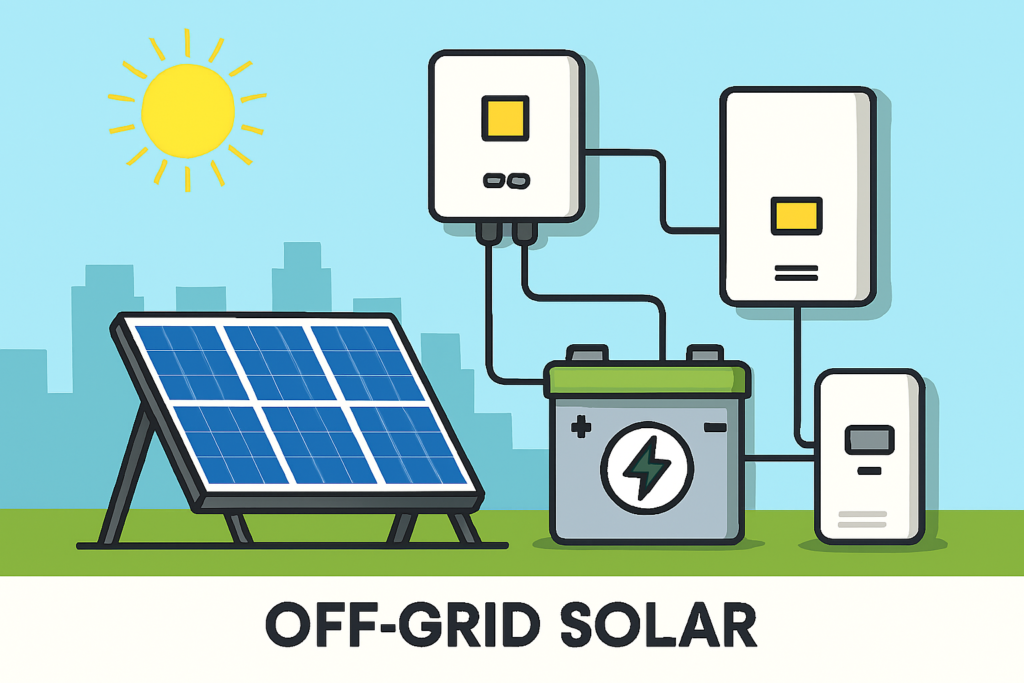
How It Works:
- Solar panels generate electricity
- Power is stored in batteries
- Electricity is used from batteries when needed
Best For:
- Remote or rural areas
- Locations with frequent or long power cuts
- Places with no grid connection
Key Advantages:
- Complete energy independence
- Power available even during outages
- No dependency on DISCOM
⚠️ Note: Off-grid systems require batteries, which increase cost and maintenance.
What Is a Hybrid Solar System?
A Hybrid Solar System combines the benefits of both on-grid and off-grid systems.
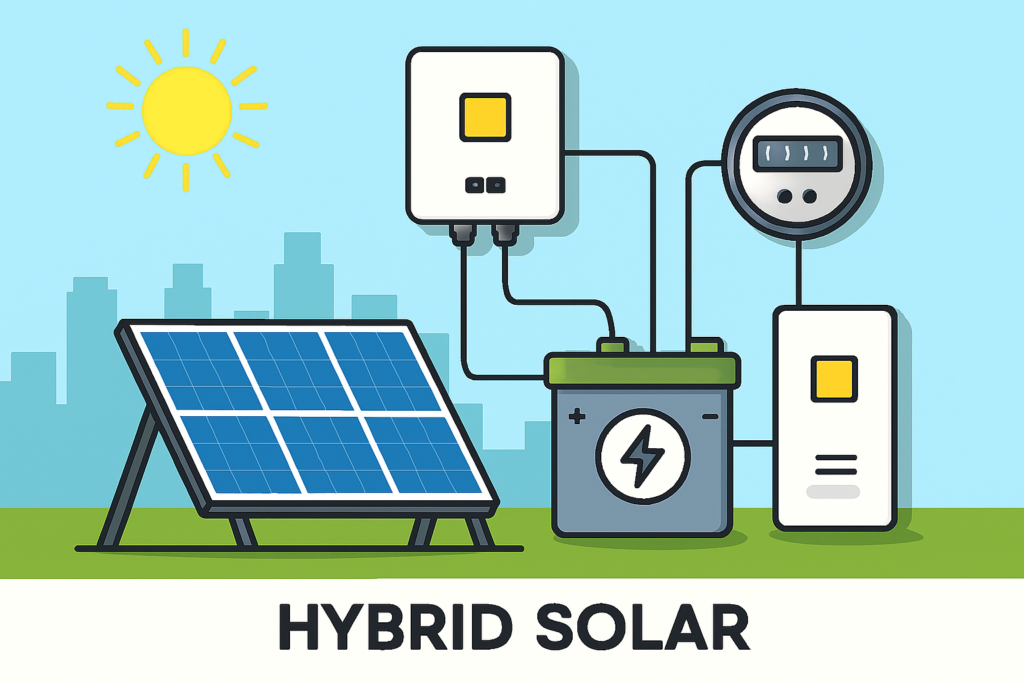
How It Works:
- Solar panels power your home
- Excess energy charges the batteries
- Remaining power is exported to the grid
- During power cuts, batteries provide backup
Best For:
- Areas with frequent power cuts
- Homes needing backup + savings
- Customers looking for flexibility
Key Advantages:
- Electricity savings + power backup
- Grid + battery support
- Smart energy management
Comparison: On-Grid vs Off-Grid vs Hybrid
| Feature | On-Grid | Off-Grid | Hybrid |
|---|---|---|---|
| Grid Connection | Yes | No | Yes |
| Battery Required | No | Yes | Yes |
| Subsidy Available | Yes | No | Limited |
| Power During Outage | No | Yes | Yes |
| Installation Cost | Low | High | Medium–High |
Which Solar System Should You Choose?
✔ Choose On-Grid if:
- You want maximum savings
- Your area has stable electricity
- You want subsidy benefits
✔ Choose Off-Grid if:
- You live in a remote area
- There is no grid electricity
- Backup is your top priority
✔ Choose Hybrid if:
- Power cuts are frequent
- You want both savings and backup
- You want a future-ready system
Why Expert Guidance Matters
Selecting the wrong solar system can lead to:
- Higher costs
- Lower savings
- System underperformance
At Globusdeck Solar Energy, we conduct a detailed site assessment and recommend the best solar solution based on:
- Your electricity usage
- Location
- Budget
- Power reliability
Why Choose Globusdeck Solar Energy?
- MNRE-approved products
- Honest system recommendations
- Complete subsidy & net metering support
- Skilled installation team
- Reliable after-sales service
We focus on long-term performance, not short-term sales.
Final Thoughts
There is no “one-size-fits-all” solar solution. The right system depends on your location, power needs, and budget. Understanding the difference between on-grid, off-grid, and hybrid solar systems helps you make a smart and future-proof decision.
📞 Contact Globusdeck Solar Energy today for a free consultation and expert guidance on the best solar system for your home or business.